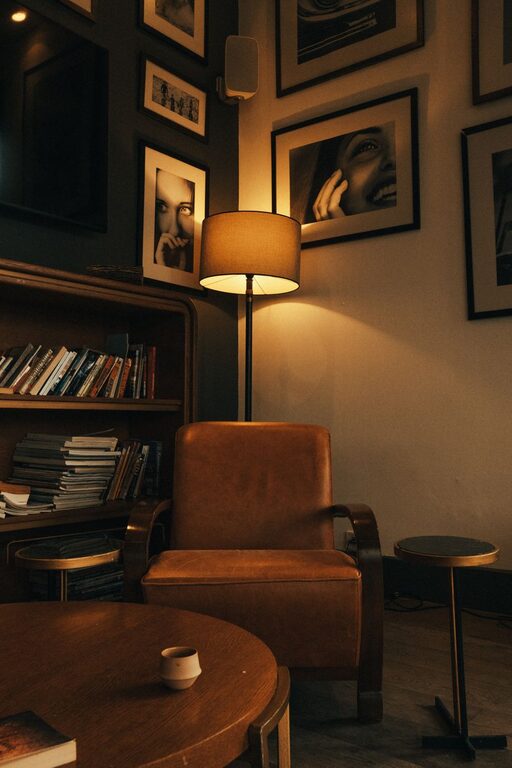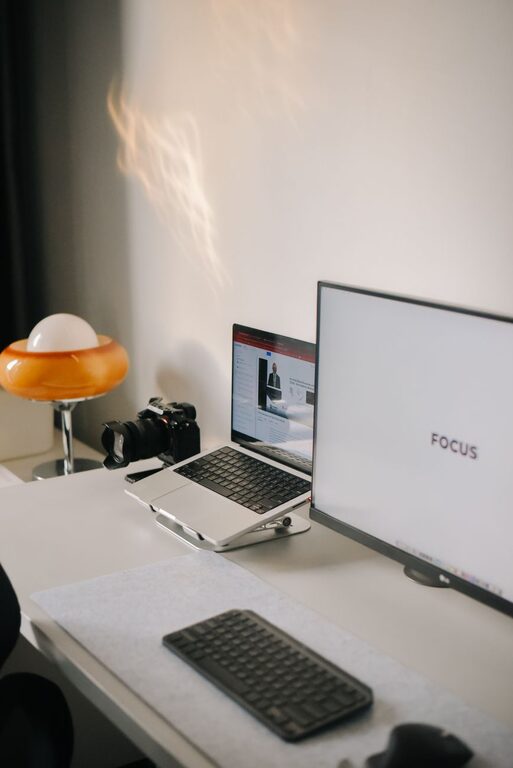
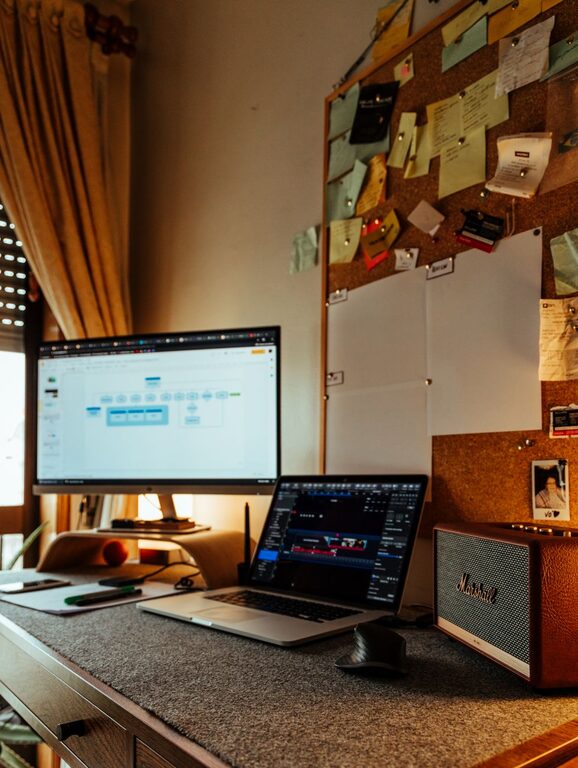
Creating a cozy and inviting home workspace can significantly improve your comfort, focus, and overall productivity. Whether you work remotely full-time or occasionally bring tasks home, designing your space to feel welcoming and functional is key. This guide offers practical tips to help you transform any area into a workspace that supports your work style while keeping you relaxed and motivated.
Why a Cozy Workspace Matters
A comfortable workspace affects both mood and efficiency. When your environment feels inviting, you’re more likely to spend focused time on your work without unnecessary distractions. Plus, a well-designed space can reduce physical strain and promote better habits throughout the day.
Choose the Right Location
Prioritize Natural Light
Natural light lifts your mood and helps reduce eye strain. Try setting up your workspace near a window to take advantage of daylight. If natural light is limited, use warm, adjustable artificial lighting that mimics daylight.
Consider Noise Levels
Find a quiet spot where you can concentrate with minimal interruptions. If that’s difficult, consider noise-canceling headphones or background music with soft instrumental tunes to help you focus.
Invest in Comfortable Furniture
Ergonomic Chair
Your chair should support your back and encourage good posture. An ergonomic chair with adjustable height and lumbar support can make a big difference during long working hours.
Functional Desk
Choose a desk that fits your space and holds all your essentials comfortably. Whether a large desk or a compact one, make sure there’s enough room for your computer, notebooks, and any other tools you need.
Organize for Clarity and Efficiency
Use Storage Solutions
Keep your workspace tidy with shelves, drawers, or desk organizers. Clutter can distract and increase stress, so having designated spots for supplies helps maintain order.
Go Digital When Possible
Digitizing papers and notes can reduce physical clutter. Use apps for task management, note-taking, and scheduling to streamline your workflow.
Personalize Your Space
Add Touches That Inspire You
Personal items like photos, plants, or artwork can make your workspace feel more inviting. Choose items that energize or calm you without creating distractions.
Choose Calming Colors
Colors impact mood and productivity. Soft neutrals, greens, and blues promote calm, while pops of vibrant color can boost creativity.
Promote Good Air Quality and Temperature
Ventilation
Fresh air helps you stay alert and comfortable. If possible, open windows occasionally or use an air purifier to keep the air clean.
Temperature Control
Adjust your workspace temperature so it feels just right—not too hot or cold. A small fan or heater near your desk can help regulate comfort without affecting the whole room.
Create Zones for Different Activities
Separate Work and Break Areas
If space allows, keep your work area distinct from where you relax. This physical separation helps with mental boundaries, allowing you to focus during work hours and unwind afterward.
Incorporate Movement
Include a standing desk option or a comfortable chair nearby for reading or brainstorming. Switching postures can reduce fatigue and enhance creativity.
Use Technology Wisely
Invest in Quality Equipment
A reliable computer, monitor, and accessories like a keyboard and mouse that fit your style can improve your efficiency and comfort.
Manage Cables Neatly
Use cable organizers or clips to minimize tangled wires, creating a clean and safe work environment.
Establish a Routine Within Your Space
Set Clear Work Hours
A designated workspace helps reinforce a routine. Use your environment to signal the start and end of the workday, improving work-life balance.
Keep It Fresh and Inviting
Tidy your workspace daily and occasionally refresh decor or layout. A welcoming environment can motivate you to maintain your productivity over time.
—
By focusing on comfort, organization, and personalization, you can create a home workspace that feels cozy and inviting while supporting your best work. Remember, small changes add up to a big difference in how you experience your daily tasks at home.
About the Author