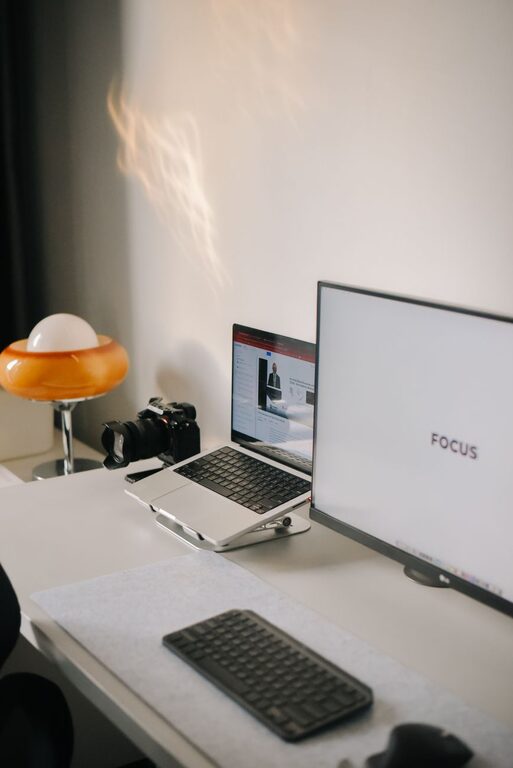

Setting up a productive home workspace is essential for anyone working remotely or spending significant time on personal projects. A well-designed environment can improve focus, reduce distractions, and promote comfort, making work feel easier and more enjoyable. Whether you’re new to working from home or looking to refresh your current setup, these tips will help you create a space that supports your best work.
Choose the Right Location
The first step in creating a productive workspace is selecting the right spot in your home. Ideally, pick a quiet area where you can minimize interruptions. This might be a spare room, a corner in your bedroom, or a nook by a window. The key is to find a place where you can concentrate and not be easily disturbed.
Consider natural light
Natural light has been shown to boost mood and energy. If possible, set your desk near a window. Natural light reduces eye strain and keeps you alert during the day. However, avoid direct sunlight on your screen to prevent glare.
Invest in Comfortable and Ergonomic Furniture
Comfort is crucial for productivity. Investing in ergonomic furniture supports your posture and prevents discomfort during long work hours.
– Desk: Choose a desk with enough surface area for your computer, notebook, and any other essentials. Adjustable desks that allow you to switch between sitting and standing are a great option.
– Chair: An ergonomic chair with lumbar support helps keep your spine aligned. Look for one with adjustable height and armrests to fit your body properly.
– Footrest: If your feet don’t rest flat on the floor, use a footrest to reduce strain on your legs and lower back.
Organize Your Workspace for Efficiency
A cluttered desk can lead to a cluttered mind. Keep your workspace clean and organized to improve focus.
Declutter regularly
Remove unnecessary items from your desk daily. Keep only essentials like your computer, planner, and a few stationery items.
Use storage solutions
Utilize drawers, shelves, or desk organizers to keep supplies neatly stored. Label containers or folders so you can easily find what you need.
Minimize Distractions
Home environments can introduce many distractions. Taking steps to reduce them will help you stay focused.
– Limit noise: Use noise-canceling headphones or play soft background music if ambient noise is an issue.
– Set boundaries: Communicate your work hours to family or housemates and ask for minimal interruptions.
– Turn off notifications: Silence non-work-related notifications on your computer and phone during focused work periods.
Incorporate Personal Comfort Elements
Adding touches that make your workspace inviting can increase comfort and motivation.
– Plants: Adding greenery can reduce stress and improve air quality.
– Personal items: Include a few photos or meaningful objects that inspire you without overcrowding your desk.
– Temperature control: Make sure your workspace is at a comfortable temperature. A small fan or heater can help regulate this during extreme weather.
Optimize Technology and Tools
Having the right technology setup also contributes to productivity and comfort.
– Monitor: Using an external monitor can reduce neck strain and increase screen space.
– Keyboard and mouse: Ergonomic keyboards and mice can prevent repetitive strain injuries.
– High-speed internet: Reliable internet connection is essential for video calls and cloud-based work.
Establish a Routine and Take Breaks
A consistent routine helps train your brain to focus during work hours. Start your day as if you were going to the office—get dressed, have breakfast, and set a start time.
Taking regular breaks is just as important:
– Follow the Pomodoro technique: work for 25 minutes, then take a 5-minute break.
– Use breaks to stretch, walk around, or hydrate.
– Step away from your desk during lunch to recharge.
Keep Your Workspace Flexible
Sometimes flexibility can increase comfort and productivity. Arrange your workspace to allow movement, such as having standing and sitting options, or an area for brainstorming away from your desk.
Final Thoughts
Creating a home workspace that boosts focus and comfort doesn’t require a major renovation. With thoughtful choices about location, furniture, organization, and routine, you can build an environment that supports your productivity and well-being. By nurturing this space, you’ll find working from home more satisfying and efficient.
About the Author