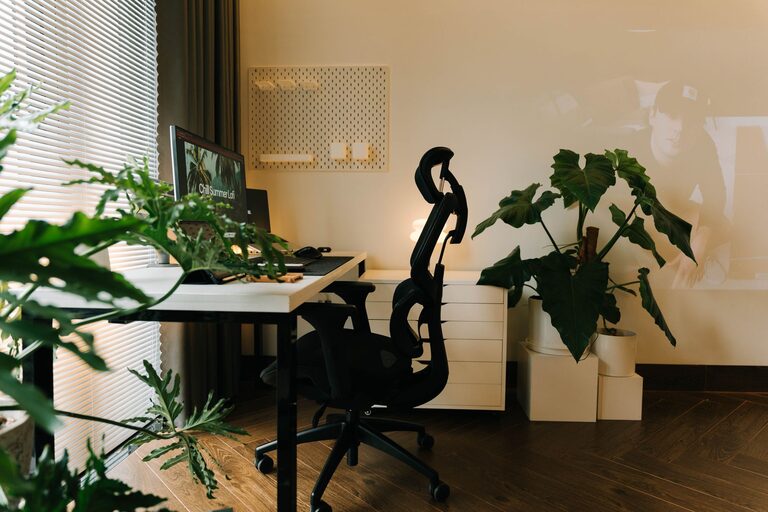
Creating a comfortable and relaxing home office space is essential for maintaining productivity and reducing stress during your workday. Whether you work remotely full-time or occasionally bring tasks home, your workspace should inspire focus and calm. In this post, we’ll explore practical tips for transforming your home office into a space that boosts your efficiency and well-being.
Why a Relaxing Home Office Matters
A cluttered, noisy, or cramped workspace can negatively affect your concentration and motivation. On the other hand, a thoughtfully designed office promotes creativity, reduces distractions, and supports better work habits. Prioritizing relaxation in your office setup doesn’t mean compromising professionalism; it means creating a balanced environment where your mind and body feel at ease.
Choosing the Right Location
Your home office location sets the foundation for your productivity. Ideally, select a quiet area with minimal foot traffic. If possible, avoid high-traffic or noisy parts of your home to limit interruptions. Natural light is a valuable asset—choose a space near a window to refresh your workspace with daylight, which can boost mood and alertness.
Ergonomic Furniture for Comfort and Health
Investing in ergonomic furniture helps prevent discomfort and injury. A comfortable chair with proper lumbar support encourages good posture. Your desk should be at a height where your arms can rest comfortably while typing. Consider adjustable desks that let you alternate between sitting and standing, which can increase energy levels throughout the day.
Declutter and Organize Your Space
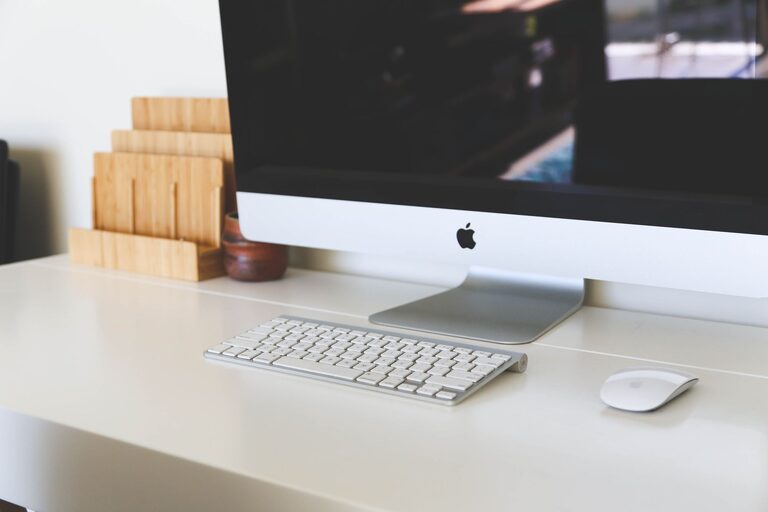
A clutter-free workspace enhances focus and minimizes distractions. Organize essential items within easy reach and store non-urgent materials out of sight. Use storage solutions like shelves, filing cabinets, and drawer organizers to keep papers and supplies tidy. A clean desk surface can also improve your mindset and creativity.
Incorporate Soothing Colors and Decor
Colors influence mood and productivity. Soft, neutral tones or muted blues and greens create a calming atmosphere. Avoid overly bright or distracting colors that may cause fatigue. Personalize your space with decor that inspires you—such as framed art, plants, or a small motivational quote—but keep it minimal to avoid visual clutter.
Bring Nature Indoors
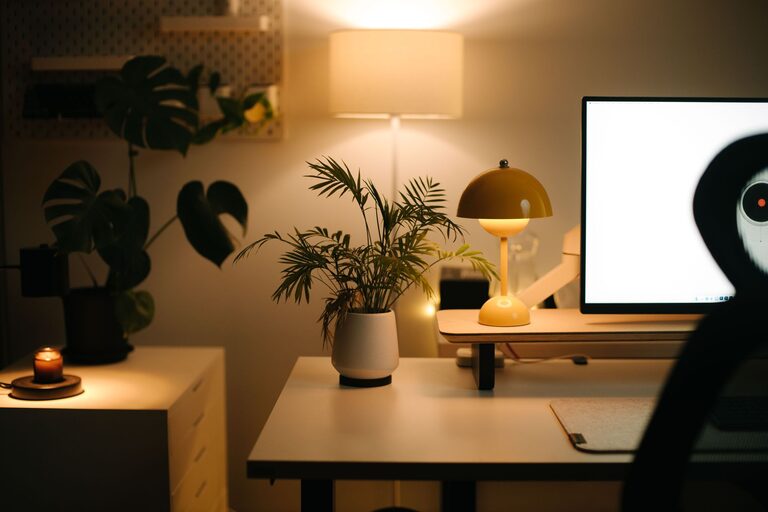
Adding plants to your office can improve air quality and add a touch of tranquility. Plants like succulents, snake plants, or pothos are low maintenance and visually soothing. Natural elements connect you to the outdoors and can create a peaceful ambiance that helps reduce stress during busy days.
Optimize Lighting
Good lighting helps reduce eye strain and keeps you alert. In addition to natural light, supplement with adjustable desk lamps or overhead lights with soft white bulbs. Position your screen to avoid glare from windows or lights. A well-lit room enhances your ability to focus and prevents headaches.
Minimize Noise and Distractions
If background noise is an issue, consider soundproofing options such as rugs, curtains, or door seals to absorb sound. Noise-canceling headphones can also be a helpful investment if you prefer music or white noise to stay focused. Communicate boundaries with family or housemates during work hours to limit interruptions.
Use Technology Wisely
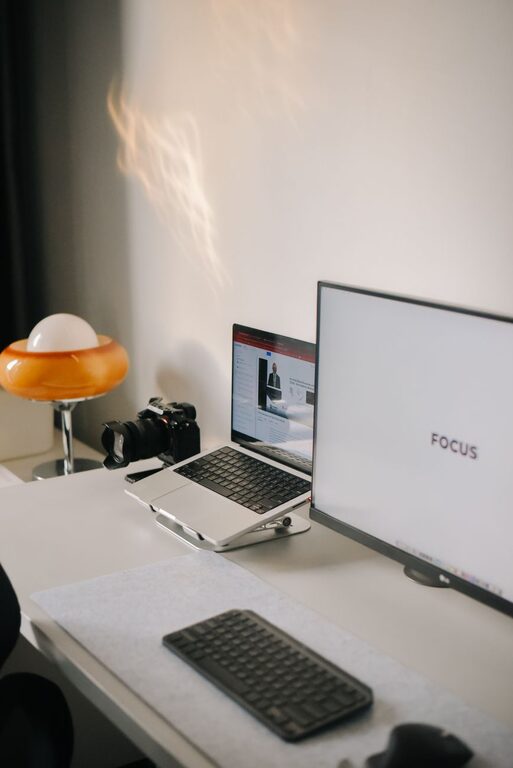
Keep your tech setup efficient by organizing cables and limiting unnecessary devices at your desk. Use wireless options when possible to reduce clutter. Regularly update your software and maintain backups to avoid technical issues that disrupt your workflow. Digital organization tools, like calendars and task apps, can also help keep you on track.
Create Personal Rituals and Break Areas
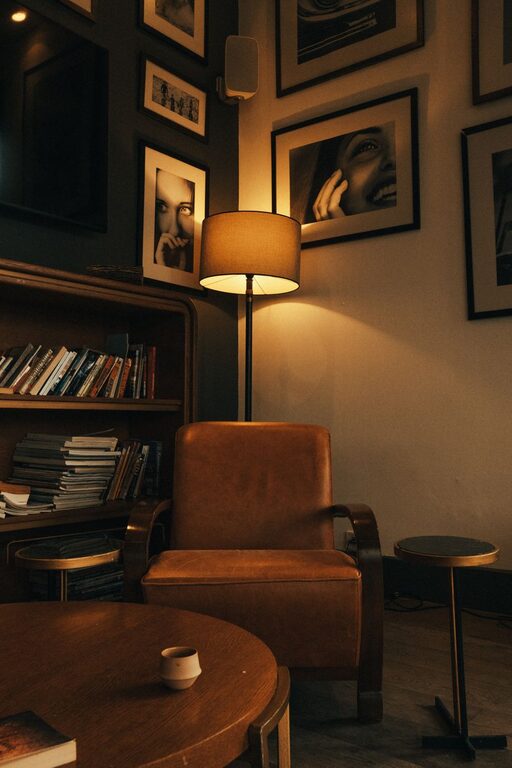
Designate a space or routine that signals the start and end of your workday, helping you mentally switch between work and personal time. If room allows, create a small area where you can take short breaks away from your desk—a comfortable chair or a cozy nook with soft lighting for reading or relaxing. Taking regular breaks improves mental clarity and productivity.
Final Thoughts
Designing a relaxing home office is an investment in both your work performance and overall well-being. By choosing the right location, investing in comfortable furniture, keeping your space organized, and incorporating calming elements, you create an environment that supports focus and reduces stress. Experiment with these tips to tailor a workspace that makes your workday enjoyable and productive.
About the Author